Tuesday, 14 July 2020
Liked on YouTube: What If You Build the Periodic Table in Real Life? (Dangerous Experiment)
What If You Build the Periodic Table in Real Life? (Dangerous Experiment)
I have a NEW channel ► "Meet, Arnold!" - https://www.youtube.com/watch?v=NsoJa2pm6Mo If you like this video - put Thumb Up button (please) and Subscribe to Ridddle channel. We will make this universe smarter together! Okay, okay. I got to go..... See You Soooooooooooooooon dudes ;)
via YouTube https://www.youtube.com/watch?v=GOglDtXGtyM

Monday, 13 July 2020
Liked on YouTube: The Four Fundamental Forces of nature - their origin & function
The Four Fundamental Forces of nature - their origin & function
• Signup for your FREE trial to The Great Courses Plus here: https://ift.tt/2CtjWbw. if you took a notebook, a plastic bottle, a toaster, and a glass container and burned them in a fire hot enough, around 10^31 degrees Celsius, all the particles and forces, would become one entity. This is what is believed to have existed at the moment of the big bang. All matter is composed of 6 quarks and 6 leptons and their 12 antiparticle pairs. But matter is subject to 4 fundamental forces that result in every action in the universe. These 4 forces are the strong force which binds the nuclei of atoms together, the weak force which is responsible for some kinds of radioactivity, electromagnetism responsible for the root cause of chemistry, and gravity which binds us to the earth. The best way to understand this and how these forces emerged is to visualize what happened at the big bang, when everything was one. Time began at the smallest time, Planck time, 10^-43 seconds. We are ignorant of anything that might have occurred prior to this 1st epoch of existence, called the Planck Epoch. All the forces and particles were in a point smaller than the size of a proton. Gravity separated from everything else, as it was the first force to separate out from the other 3 forces. The temperatures at this stage were 10^31 degrees Celsius, and the energies were in the range of 10^19 giga electron volts. The strings of string theory and the loops of loop quantum gravity, if those theories are correct, come into existence here. The next era, called the Grand Unified epoch lasts from the first Planck second up to about 10^-35 seconds. The Strong and weak force and electromagnetism were all unified. But shortly after this period, the strong force separated from the other two - electromagnetism and the weak force, which were united as one force called the electroweak force. Temperatures were now around 10^26 degrees Celsius. Cosmic inflation occurred. The universe which went from tinier than the size of a proton to the size of a grapefruit. At 10^-12 seconds, called the quark epoch, the electroweak force split into the weak force and electromagnetism. So at this point, all the 4 forces became distinct. The temperature of the universe cooled to 10^15 degrees Celcius, and energies are about 100 GeV. We know a lot about the universe up to this era because such energy levels can be modeled in particle accelerators. The Higgs field exists at this stage. That brings us to today, 13.8 billion years later, where the average temperature of the universe is -270 degrees C, and energy is 0.25 eV Gravity and electromagnetism are similar in that their mathematical formulas look nearly identical. Newtons law of universal gravitation is F= G Mm/r^2 . were G is Newton’s gravitational constant. Coulomb’s law of electric force between charged bodies is F = k Qq/r^2 where k is Coulomb’s constant. This means that the earth has a gravitational effect not just on the moon, but also some effect on every other massive object in the universe. This is a very small effect, but it is non zero. And since gravity effects all masses, this effect is the most influential force on a cosmic scale. But the electrostatic force between charges also extends infinitely far away. And this force is much greater than the force of gravity - 10^36 times greater. So why isn’t electromagnetism the most dominant force in the universe? ...because on large scales electric charges of most objects tend to cancel each other out. Large objects tend to be neutral. If large things were not electrically neutral, this force would completely dominate the universe. But Electromagnetism still has a big influence. It is the basis of all chemistry. So if electromagnetism is so strong, then what keeps multiple protons bound in the nucleus of atoms? They are kept glued together with a force one hundred times stronger, the strong nuclear force. However, it extends only as far as the width of a proton. This force is not simply the opposite of electromagnetism because it also holds electrically neutral atoms in the center of atoms. The release of this force is the energy behind nuclear bombs. The fission and fusion of atoms releases huge amounts of binding energy from the nucleus, which results from the strong force. It is also responsible for most of the mass of any object, not the Higgs Field. #fourfundamentalforces The weak force is responsible for beta radiation, which is the emission of electrons or positrons. One of the most important processes in nature is the beta decay of a neutron. If this decay did not occur, then the universe would have been full of neutrons, and no atoms would have ever formed. And we would not have life. But it’s effective length is only about one thousandth the diameter of a proton.
via YouTube https://www.youtube.com/watch?v=669QUJrF4u0
Random Animated Movies on Squidward's TV
How to Train Your Dragon (C) Dreamworks Despicable Me 3 (C) Universal Pictures Ice Age: Continental Drift (C) 20th Century Fox Zootopia (C) Disney SpongeBob SquarePants (C) Nickelodeon, Viacom
Top 10 Largest Moons in the Solar System
Here are the top 10 largest moons in the Solar System. 10. Oberon (1,522 km); moon of Uranus 9. Rhea (1,528 km); moon of Saturn 8. Titania (1,578 km); moon of Uranus 7. Triton (2,706 km); moon of Neptune 6. Europa (3,138 km); moon of Jupiter 5. The Moon (3,475 km) 4. Io (3,642 km); moon of Jupiter 3. Callisto (4,820 km); moon of Jupiter 2. Titan (5,152 km); moon of Saturn 1. Ganymede (5,268 km); moon of Jupiter Music: Black Vortex Kevin MacLeod (incompetech.com) Licensed under Creative Commons: By Attribution 3.0 License https://ift.tt/2AX6NXS Please comment, like, and subscribe to my channel for more videos!
Sunday, 12 July 2020
Liked on YouTube: Ganymede: Jupiter's Oceanic Moon!
Ganymede: Jupiter's Oceanic Moon!
From its discovery around Jupiter, to its composition, and what mysteries it may hold, and more! Join us as we explore Ganymede: Jupiter's Oceanic Moon! ------------------------------------------------------------------------------------------- Subscribe for more videos:https://www.youtube.com/c/InsaneCuriosity?sub_confirmation=1? Business Enquiries: lorenzovareseaziendale@gmail.com ------------------------------------------------------------------------------------------- 8. The Finding And Naming Of Ganymede At present, Jupiter has 79 moons, some of which have only been discovered recently. But in regards to Ganymede, it may have an origin that is far beyond the histories of the other moons. Chinese astronomical records report that in 365 BC, Gan De detected what might have been a moon of Jupiter, probably Ganymede, with the naked eye. However, Gan De reported the color of the companion as reddish, which is puzzling since the moons are too faint for their color to be perceived with the naked eye. Sh* Shen and Gan De together made fairly accurate observations of the five major planets. On January 7th, 1610, Galileo Galilei observed what he thought were three stars near Jupiter, including what turned out to be Ganymede, Callisto, and one body that turned out to be the combined light from Io and Europa; the next night he noticed that they had moved. On January 13th, he saw all four at once for the first time, but had seen each of the moons before this date at least once. By January 15th, Galileo came to the conclusion that the stars were actually bodies orbiting Jupiter. Thus, the discovery of the moons. Galileo originally called Jupiter's moons the Medicean planets, after the Medici family and referred to the individual moons numerically as I, II, III, and IV. Galileo's naming system would be used for a couple of centuries. It wouldn't be until the mid-1800's that the names of the Galilean moons, Io, Europa, Ganymede, and Callisto, would be officially adopted, and only after it became apparent that naming moons by number would be very confusing as new additional moons were being discovered. In mythology, Ganymede was a beautiful young boy who was carried to Olympus by Zeus (the Greek equivalent of the Roman god Jupiter) disguised as an eagle. Ganymede became the cupbearer of the Olympian gods. The Greek/Roman pantheons are the epicenter of many names of both planets and moons in our solar system. 7. Orbits and Rotations Ganymede orbits Jupiter at a distance of 1,070,400 km, third among the Galilean satellites, and completes a revolution every seven days and three hours. Which indeed means that a "Day" on Ganymede is a week here on Earth, that would be something that would take some getting used to no doubt. Like most known moons, Ganymede is tidally locked, with one side always facing toward the planet, hence its day is seven days and three hours. Its orbit is very slightly eccentric and inclined to the Jovian equator, with the eccentricity and inclination changing quasi-periodically due to solar and planetary gravitational perturbations on a timescale of centuries. Ganymede participates in orbital resonances with Europa and Io: for every orbit of Ganymede, Europa orbits twice and Io orbits four times. Conjunctions (alignment on the same side of Jupiter) between Io and Europa occur when Io is at periapsis and Europa at apoapsis. Conjunctions between Europa and Ganymede occur when Europa is at periapsis. The longitudes of the Io–Europa and Europa–Ganymede conjunctions change with the same rate, making triple conjunctions impossible. Such a complicated resonance is called the Laplace resonance. There are two hypotheses for the origin of the Laplace resonance among Io, Europa, and Ganymede: that it is primordial and has existed from the beginning of the Solar System; or that it developed after the formation of the Solar System. A possible sequence of events for the latter scenario is as follows: Io raised tides on Jupiter, causing Io's orbit to expand (due to conservation of momentum) until it encountered the 2:1 resonance with Europa; after that the expansion continued, but some of the angular moment was transferred to Europa as the resonance caused its orbit to expand as well; the process continued until Europa encountered the 2:1 resonance with Ganymede. Eventually the drift rates of conjunctions between all three moons were synchronized and locked in the Laplace resonance. 6. Composition Ganymede has three main layers. A sphere of metallic iron at the center (the core, which generates a magnetic field), a spherical shell of rock (mantle) surrounding the core, and a spherical shell of mostly ice surrounding the rock shell and the core. The ice shell on the outside is very thick, maybe 800 km (497 miles) thick. #InsaneCuriosity #GanymedeMoon #TheSolarSystem
via YouTube https://www.youtube.com/watch?v=qKr8Iq2y6bI
The Solar System
The Solar System
The Sun
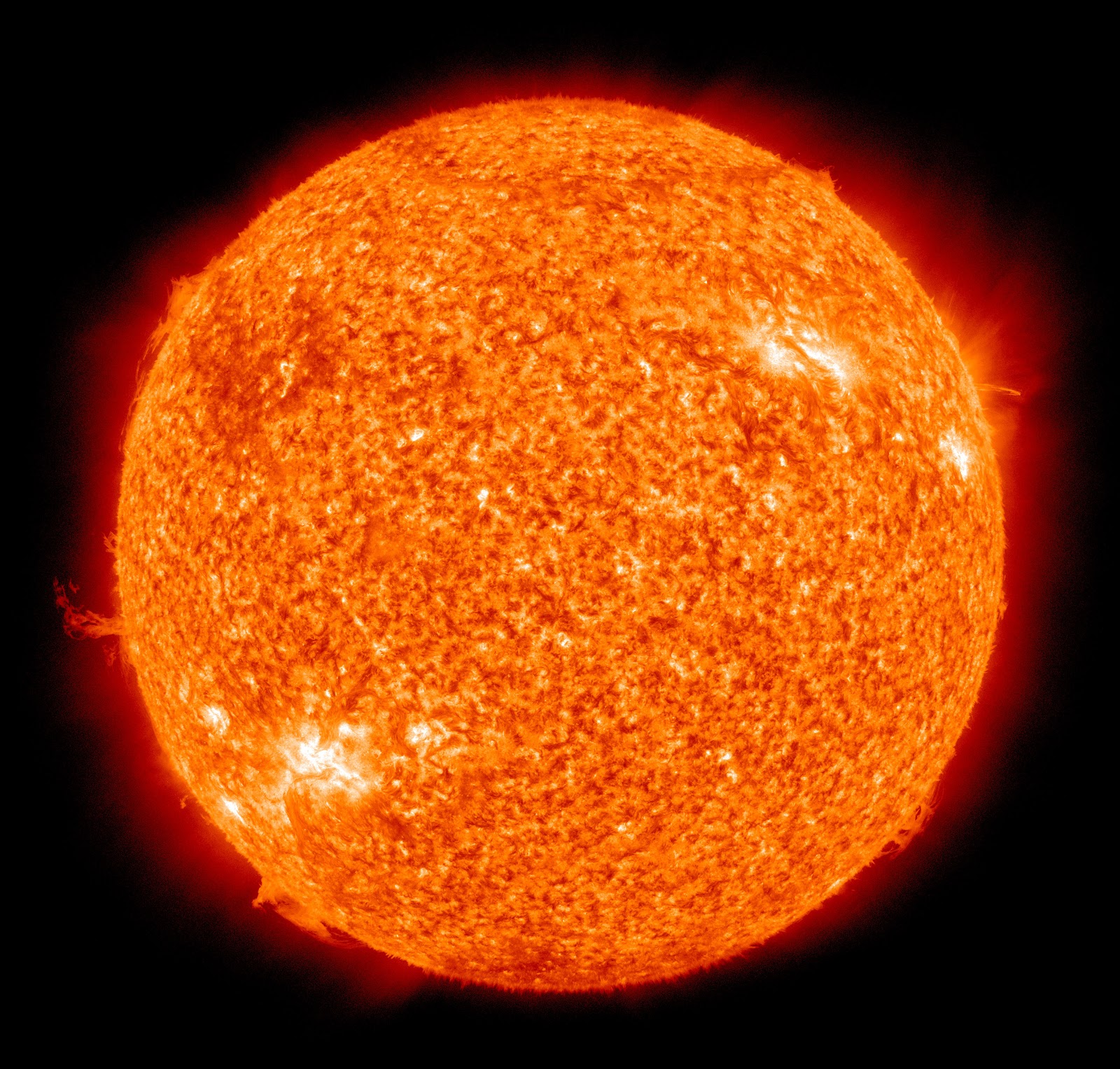
The Sun, also called Sol or Helios, is the closest star to Earth. It is a G-type main-sequence star with a diameter 109 times that of the Earth's. The Sun is made of
Deities: Helios and Helen of Troy (Greek), Sol (Roman), Shamash (Babylonian), Shapash (Canaanite), Ra (Egyptian)
Mercury

Mercury is the closest planet to the Sun. It is the smallest and innermost planet in the Solar System. With a diameter of 4,879.4 kilometers. The surface of Mercury
Deities: Hermes (Roman), Mercury (Roman), Thoth (Egyptian), Budha (Hinduism), Nabu (Babylonian)
Venus

Venus is the second-closest planet to the Sun. It has thick clouds, because
Deities: Aphrodite (Greek), Venus (Roman), Astarte (Canaanite), Ishtar (Babylonian), Inanna (Mesopotamian)
Earth

Earth is the third planet from the Sun and has the largest average density of any planet. It is known to harbor life and is the only Solar System body known to do so. It has an average diameter of 12,742 kilometers.
Deities: Gaia and Hera (Greek), Tellus Mater and Juno (Roman), Ninhursag (Mesopotamian), Antu and Ki (Babylonian), Dheghom (Proto-Indo-European).
Mars
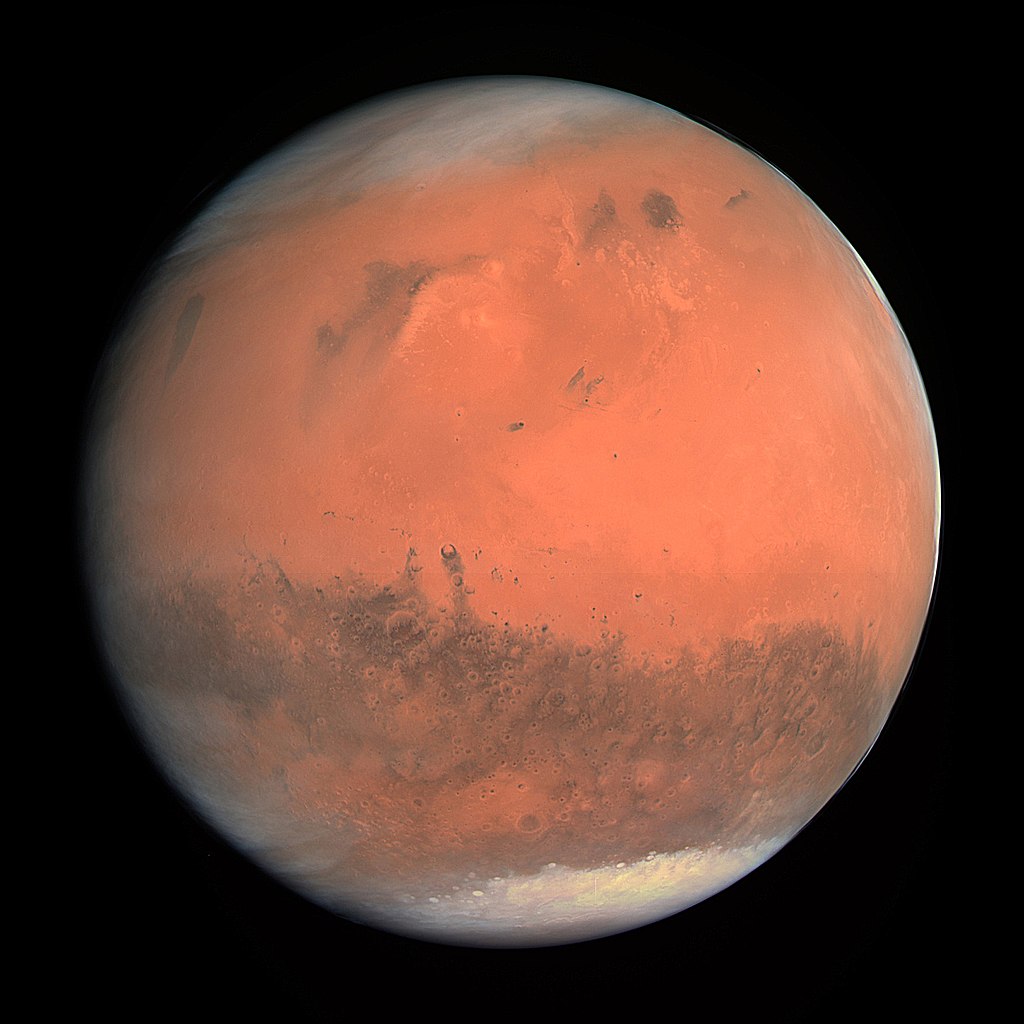
Mars is the fourth planet from the Sun and the second-smallest by volume. Its has a diameter of 6,779 kilometers. Mars has a liquid water. Mars is made out of
Deities: Ares (Greek), Mars (Roman), Nergal (Babylonian), Kartikeya-Mangala (Hinduism)
Jupiter
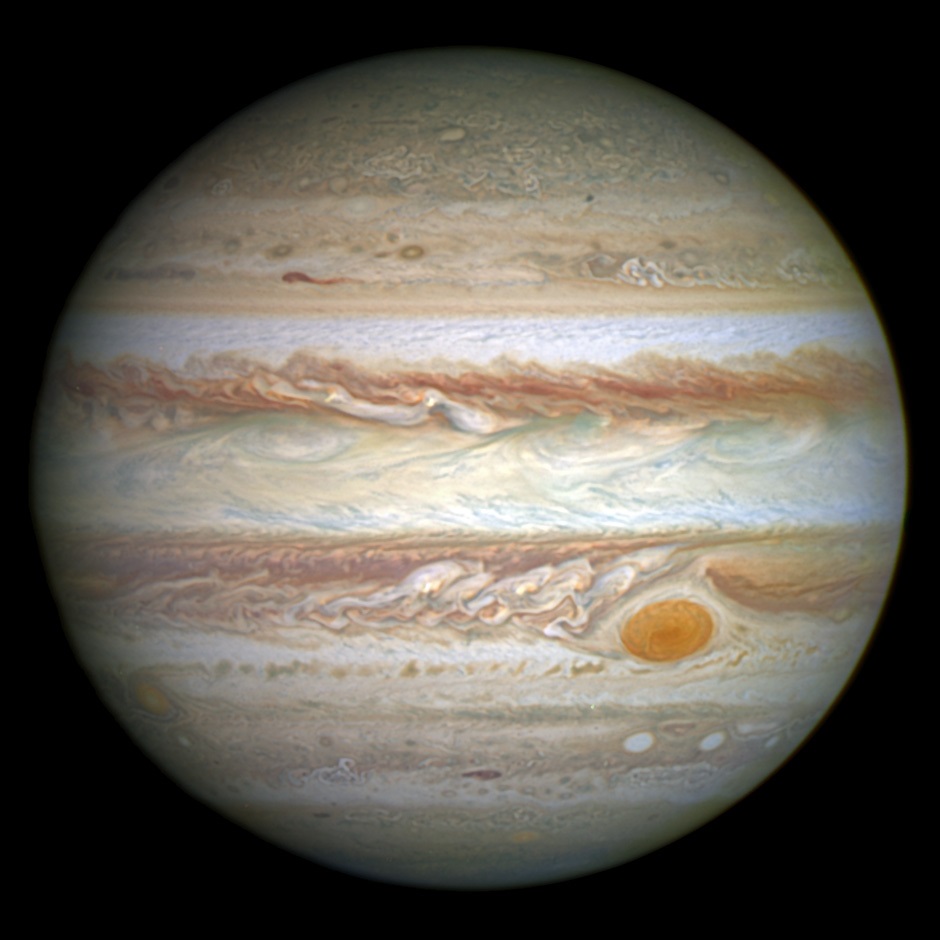
Jupiter is the largest planet in the Solar System. It is the fifth planet from the Sun. With a diameter of 139,822 kilometers, it has a mass more than 300 times greater than that of Earth's. Jupiter has a feature storm called the Great Red Spot. The atmosphere of Jupiter is made of . Jupiter has a faint ring system and 79 moons
Deities: Zeus (Greek), Jupiter (Roman), Marduk and Hadad (Babylonian), Briaspati (Hinduism), Dyeus Pther (Proto-Indo-European)
Saturn
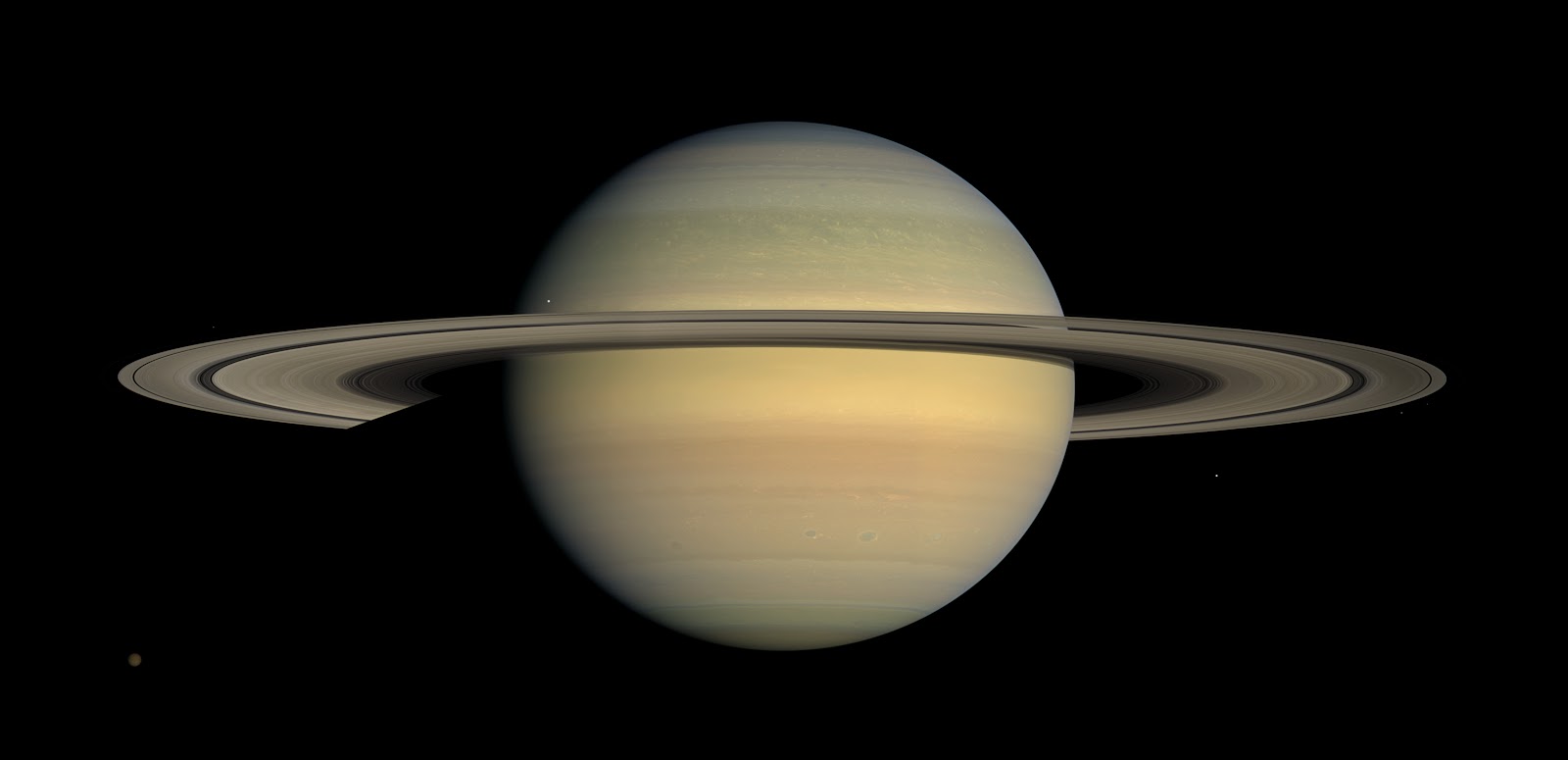
Saturn is the sixth planet from the Sun. It is the second-largest planet in the Solar System. With a diameter of 116,464 kilometers, but a mass only 95 times that of the Earth, Saturn is, on average, less dense than water. Saturn has its ring system which is around 280,000 kilometers thick. Saturn is made of . Saturn has 82 moons
Deities: Cronus-Chronos (Greek), Saturn (Roman), Ninurta and Enlil (Babylonian), Shani (Hinduism), Geb (Egyptian)
Uranus

Uranus is the seventh planet from the Sun and the third-largest in diameter or volume. Uranus is made of hydrogen, helium, water ices, and traces of hydrocarbons. Uranus has its faint ring system. Uranus has 27 known moons.
Deities: Aion-Ouranos (Greek), Uranus and Caelus (Roman), Anu (Babylonian)
Neptune
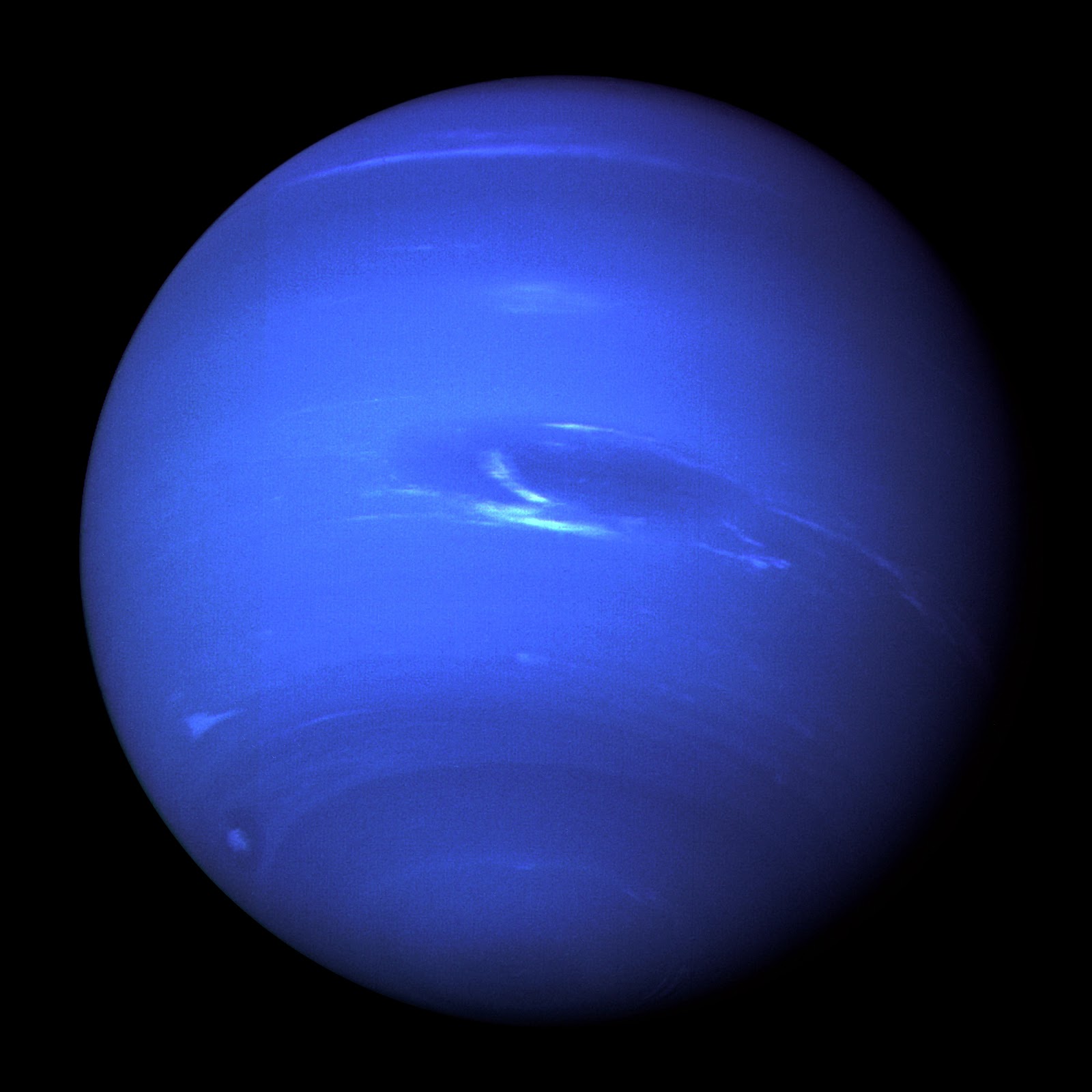
Neptune is the eighth planet from the Sun, the fourth largest in volume, and the third largest in mass. It is the densest of the ice and gas giant planets, and was discovered through mathematical calculations as its gravity was perturbing and affecting the orbital course of Uranus. Neptune is made of . Neptune has storms. Neptune has faint rings and 14 moons.
Deities: Poseidon (Greek), Neptune (Roman), Yam (Canaanite), Varuna (Hinduism)
Dwarf Planets
Pluto
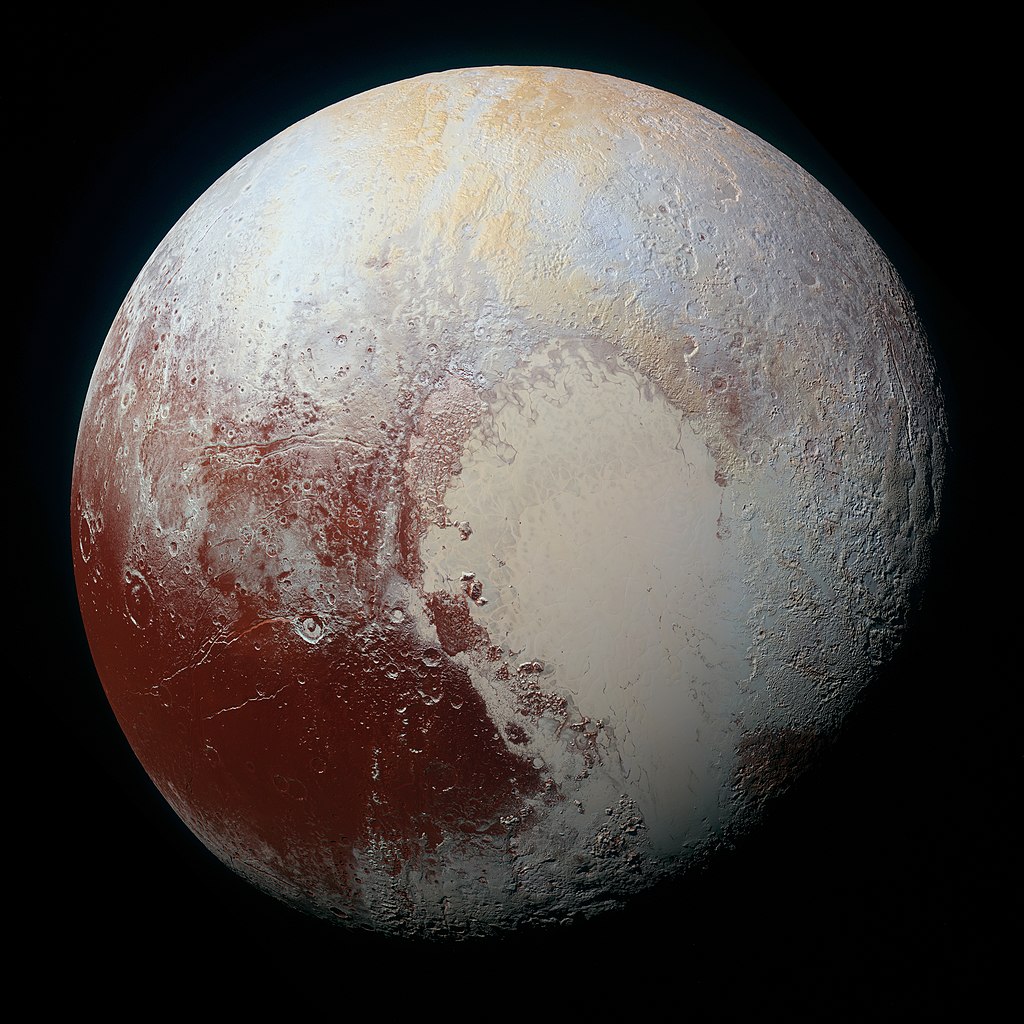
Pluto is the largest and second-most massive dwarf planet of our Solar System, and the first discovered, found in 1930.
Haumea

Haumea
Makemake

Makemake is named after a creator god of Easter Island. It has one moon.
Eris
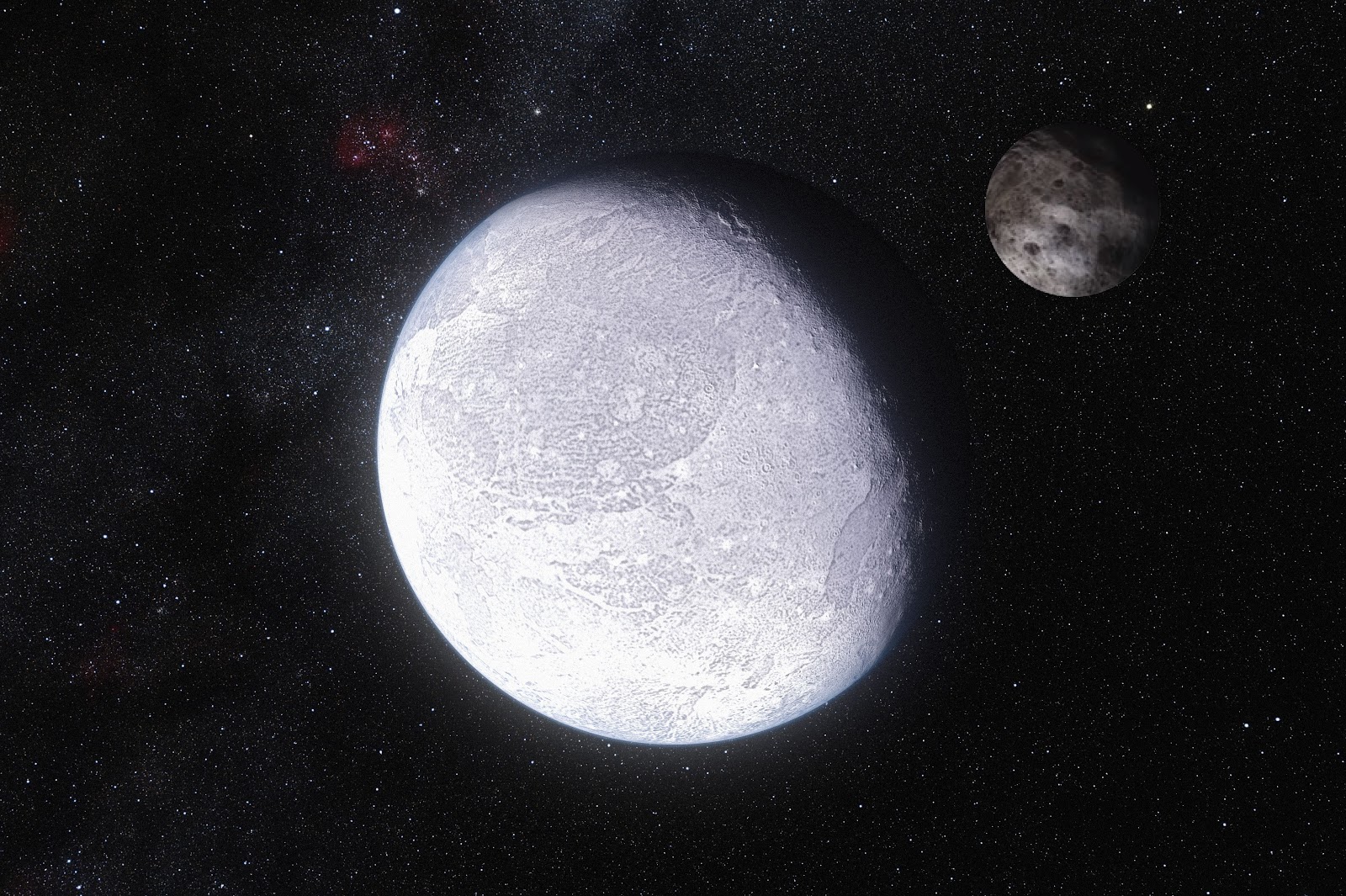
Eris
Asteroids
Ceres
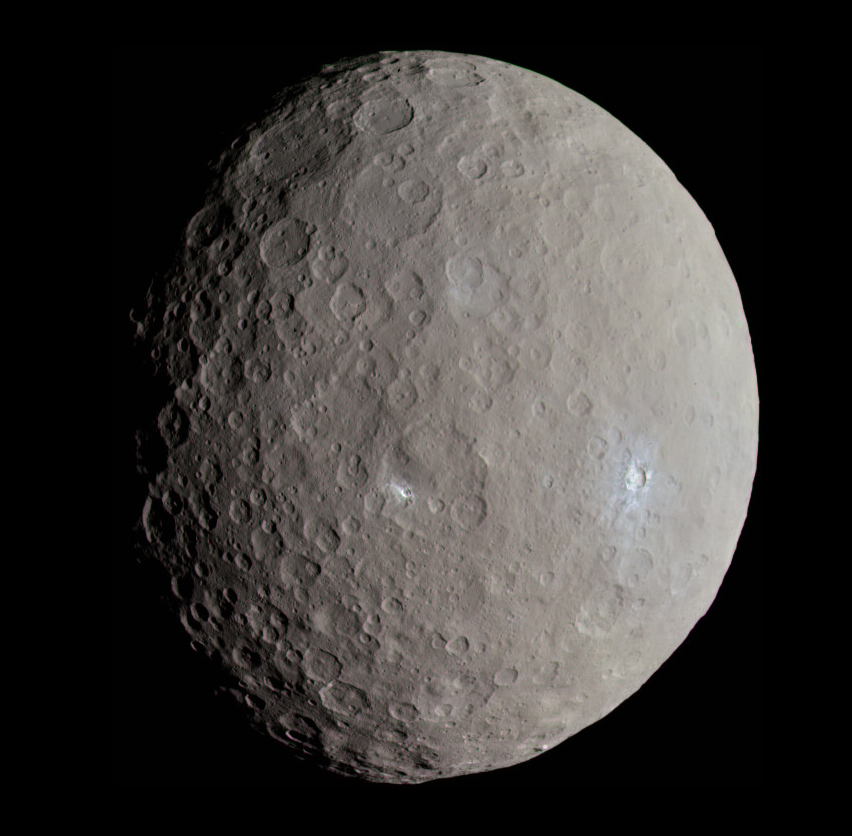
Ceres is the largest asteroid in the Solar System. With a diameter of 946 kilometers, it also assumes a round shape, and is thus also considered a dwarf planet.
Deities: Demeter (Greek), Ceres (Roman), Geshtinanna (Babylonian), Bhumi (Hinduism)
Moons of Our Solar System
The Moon

The Moon (or Luna) is Earth’s natural satellite. It has an average density of 3.34 grams per cubic centimeter and orbits the Earth every 28 days at an average distance of 384,400 kilometers away.
Deities: Selene and Phoebe (Greek), Luna (Roman), Nanna (Babylonian), Chandra (Hinduism)
Io
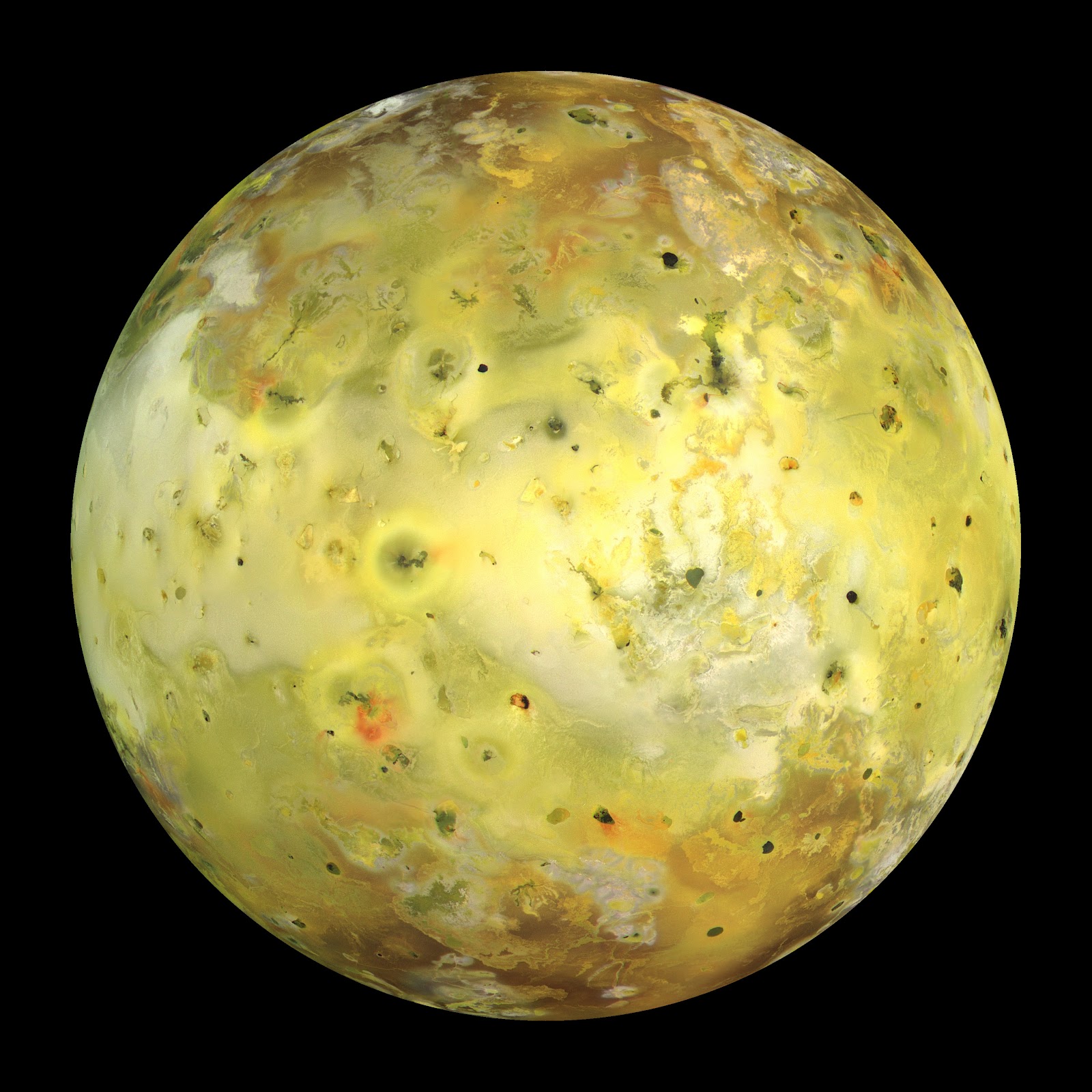
Io is the
Europa
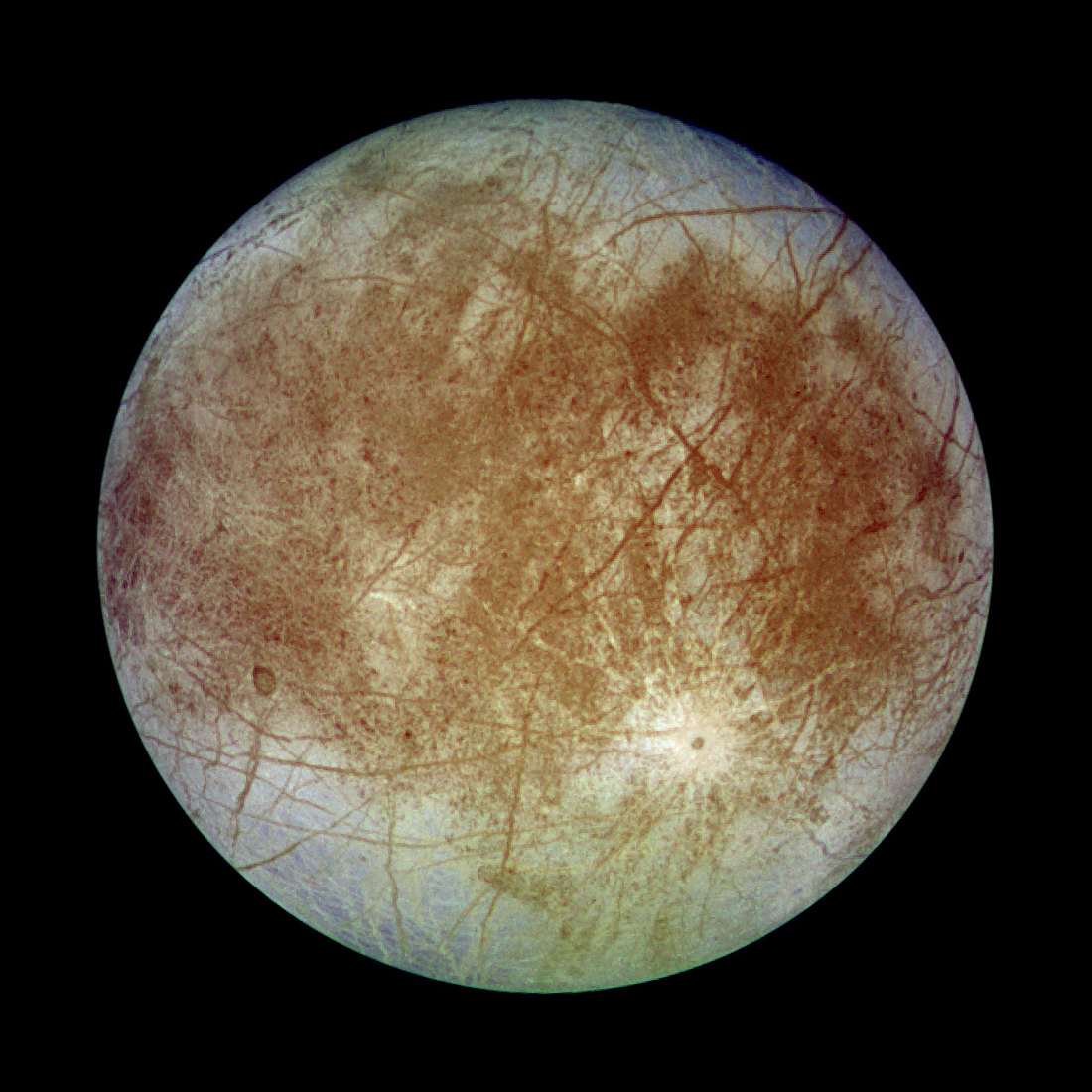
Europa is
Ganymede
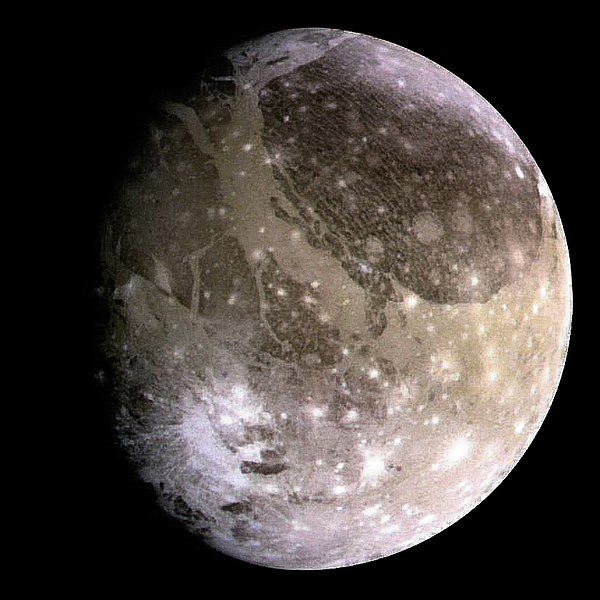
Ganymede is the largest moon of Jupiter and the largest overall in the Solar System, with a volume greater than that of Mercury. However, it is mostly ice, so it is less dense and less massive than Mercury.
Callisto

Callisto is the fourth major or Galilean moon of Jupiter and is nearly as voluminous as Mercury.
Titan
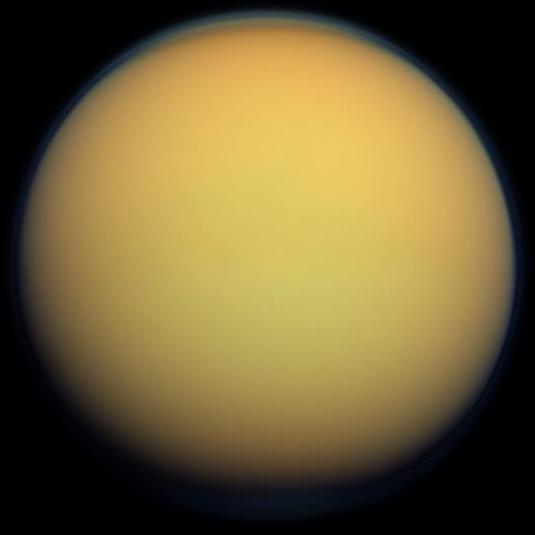
Titan is the second-largest moon in the Solar System and the largest attendant of Saturn. It is also massive enough to hold on to a thick atmosphere.
Mimas

Mimas is
Enceladus

Enceladus is an icy moon of Saturn. It has the highest albedo of Saturn's other moons - it is very reflective.
Rhea

Rhea is the second-largest moon of Saturn. It was once believed to harbor a ring system, though is now known not to. It has a diameter of 1,528 kilometers.
Deities: Rhea (Greek), Ops (Roman), Cybele (Anatolian), Asherah (Canaanite), Nut (Egyptian)
Triton

Triton is the largest moon of Neptune. With a diameter of 2,706 kilometers, it orbits Neptune in a retrograde manner, hinting that it may have once been a planet captured by Neptune's gravity.
Subscribe to:
Posts (Atom)
-
K2-141b Discovered: A Hellish Exoplanet K2-141b: a hellish planet! Before we found the first exoplanets — planets orbiting other stars — i...
-
http://dlvr.it/TDdS2x

